
“Something wonderful is happening.”
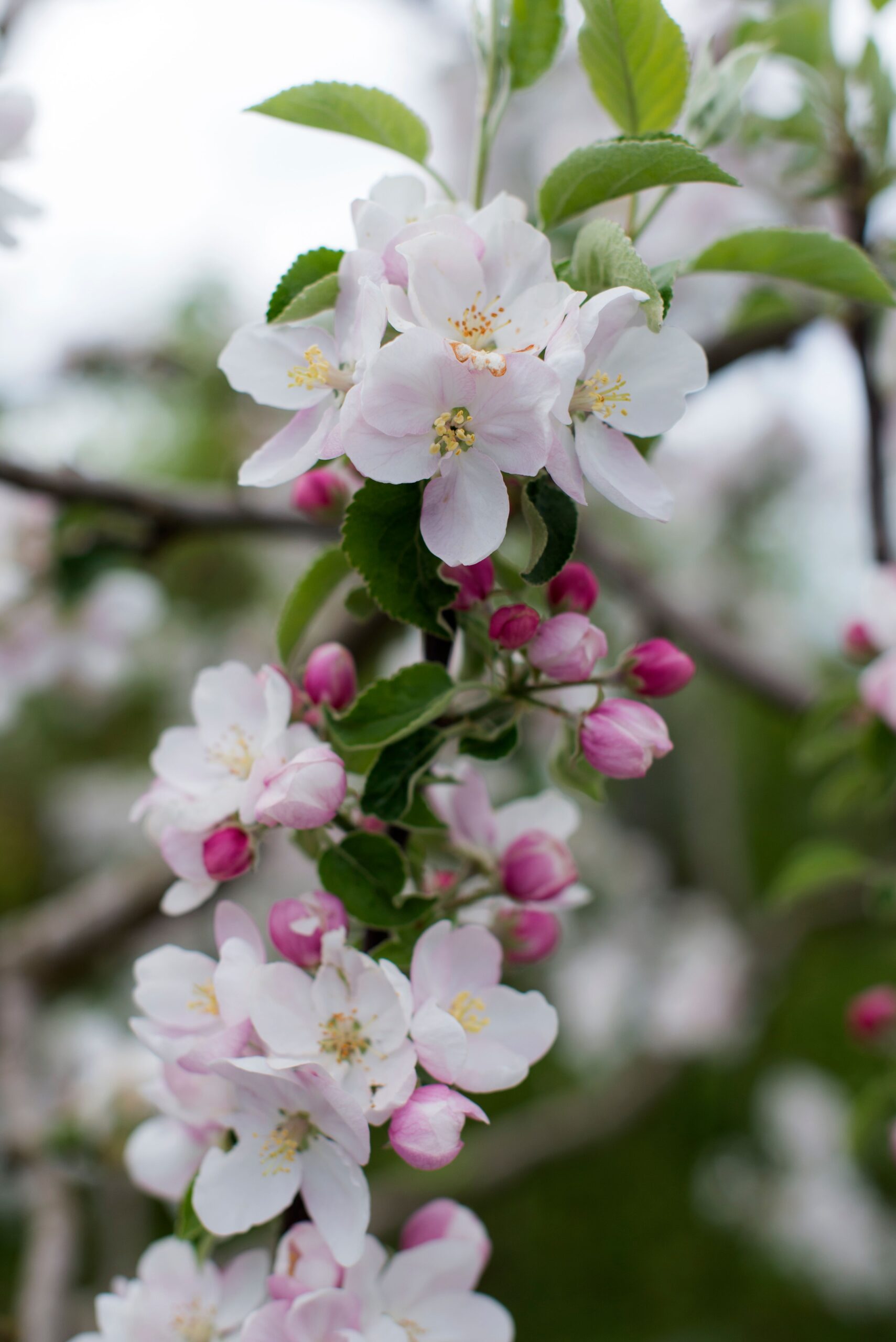
There is a poignant scene in the 2022 film After Yang, directed by Kogonada, with an analogy for adoption. An AI companion named Yang takes a young girl, Mika, into an orchard. There, he shows her a branch being tied to another tree’s trunk. As Yang explains the process of grafting, he tells her something both simple and profound. “The tree is becoming part of another tree. But you should know that both trees are important.” https://www.sundance.org/blogs/after-yang-is-all-about-being-quietly-sci-fi/
This exchange about an analogy for adoption powerfully illustrates how adoption works in genealogy. The branch, like an adoptee, retains its original genetic identity while nourishing and growing from a new root system. Its fruit reflects both histories, making tree grafting a direct model for the dual heritage seen in adoption.
For genealogists, this analogy for adoption is not just poetic, but structurally precise. Tree grafting shows why thoroughly tracing both adoptive and biological lines is essential. A complete family history requires honoring and documenting both sources of identity.
What Tree Grafting Actually Is
Grafting, or graftage, is an ancient horticultural method that joins the tissues of two plants so they grow together as one organism. The technique is documented in Chinese agricultural texts dating back thousands of years, and Yang’s reference to grafting, in his analogy for adoption, as an ancient Chinese technique is historically grounded.
The two parts of a graft have special names. Genealogists can use these as helpful analogies:
- The scion is the cutting taken from a donor tree. People pick it for its great traits. These include specific fruit, strong hardiness, appealing looks, and unique growth habits. Crucially, the scion is a genetic clone of the tree from which it was taken. All the genetic information it carries comes from its original tree. According to the Woodland Trust and gardening books, grafting clones the tree by creating a new one with the same genetic makeup as the original.
- The rootstock, or stock, is the rooted plant that holds the scion. It functions as the root system, providing water and nutrient uptake, as well as stability in the ground. You can pick rootstock for its disease resistance, soil tolerance, or vigor.
For the graft to work, the two parts must be biologically compatible. This usually means they come from the same species or closely related species. Both parts have vascular cambium layers— thin, living tissues located just beneath the bark. These layers are responsible for growth, so the layers of both parts must be in direct contact with each other. After you align and secure them with grafting tape, wax, or binding material, the wound heals on its own. The cambium layers of the two plants start to fuse. When the graft “takes,” the scion and rootstock share water, nutrients, and hormones. They function as one organism.
What the graft does not do is erase the genetic identity of either partner. The fruit produced by the grafted tree carries the DNA of the scion, not the rootstock. Every apple from a Granny Smith scion on any rootstock will still be a Granny Smith apple. The University of Minnesota’s open horticulture textbook states, “Grafting unites two different plant materials, creating a chimera. This means two distinct plant genotypes grow together in one plant.”
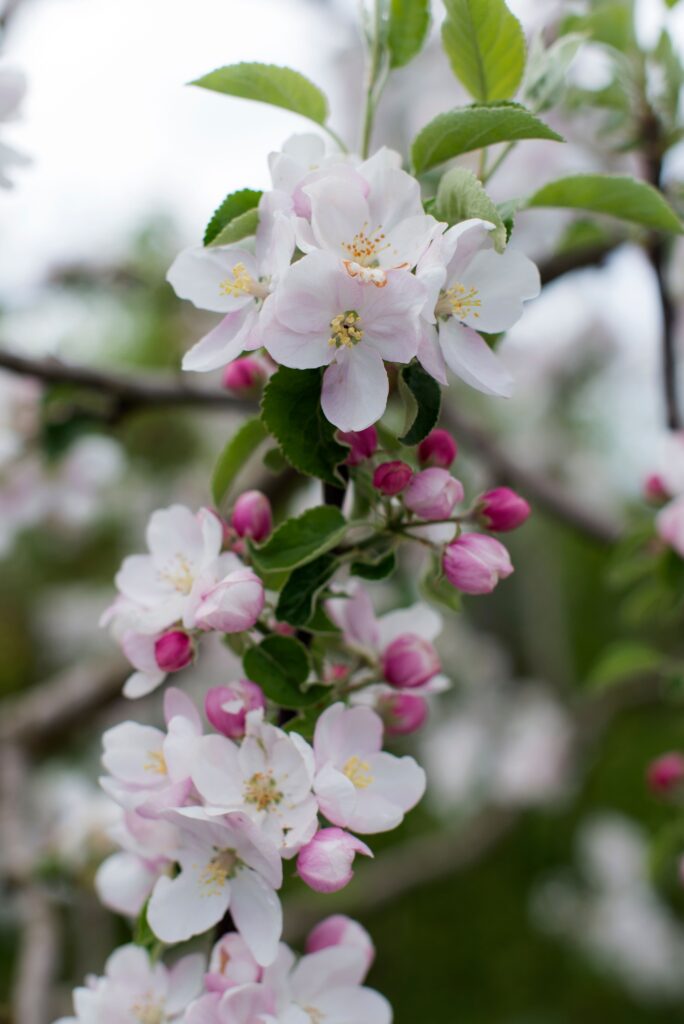
This botanical process is not merely an analogy for adoption but embodies the reality for adopted individuals: their genealogical identity is rooted in both biological and adoptive lineages. The main argument is that tracing both is critical to a truthful and complete family history.
The Analogy for the Adopted Person as the Grafted Branch
When a child is adopted, in this analogy for adoption, two equally real family trees shape their story. The adoptive family is the root, giving nourishment, stability, love, culture, and legal identity—a daily setting for growth. The biological family is the tree that gives life to the scion, offering genetic traits, medical history, ethnic roots, and geographic background. This lineage stretches back centuries.
Neither tree or plant is metaphorical. Both are genealogically real. And as in horticulture, the graft does not destroy either partner; it joins them.
This dual heritage creates a challenge: genealogists must document and honor both trees, treating each as real and significant. The solution is to leverage diverse records, research tools, and established professional standards, ensuring both lineages are authentically represented in research.
The Two Genealogical Lineages in this Analogy for Adoption: What They Contain
The Adoptive Lineage
The adoptive family represents the legal and social ties in the analogy for adoption. In many places, it also holds the official legal lineage. Adoptive parents are listed on amended birth certificates once the legal adoption is complete. Court records, adoption decrees, attorney records, and agency documents show this relationship in the official record. This lineage is often more accessible to research. It’s fully documented in key record sets that genealogists use. These include census records, vital records, church records, school records, and property documents.

In this analogy for adoption, the adoptive lineage is the rootstock. It shaped growth conditions and often carries deep emotional meaning for adopted individuals. This connection is just as valid as any biological record.
The Biological Lineage in the Analogy for Adoption
The biological family carries the genetic inheritance and represents the individual’s roots. Historically, tracing this lineage has been more difficult than researching adoptive lines. Many places sealed adoption records by law starting in the mid-1900s.
However, access to biological genealogical records has expanded significantly in recent decades through:
- Original birth certificates (OBCs): Many U.S. states now allow adult adoptees to request their original, pre-adoption birth certificates, which list biological parents. Laws differ greatly by state. The National Council for Adoption’s Accessing Birth and Adoption Records guide is one resource that tracks state-by-state access to birth and adoption records. https://adoptioncouncil.org/publications/accessing-birth-and-adoption-records-a-practical-guide-for-adoptees/
- Court and legal records: Adoption proceedings produced court records that, in some jurisdictions, can be accessed by the adoptee upon adulthood or by petition. https://www.gedmatch.com/blog/how-to-find-and-use-adoption-records-in-your-genealogy-research/
- Adoption agency records: Agencies keep case files, often containing information such as birth parents’ backgrounds, medical histories, and correspondence. https://www.familysearch.org/en/blog/searching-for-adoption-records
- Church records: For adoptions that occurred through religious institutions, a common arrangement historically, baptismal records and sacramental registers may document the biological family. https://www.gedmatch.com/blog/how-to-find-and-use-adoption-records-in-your-genealogy-research/
- Census records: Sometimes census records marked adoptees as “adopted.” It also often listed them with a different last name from the household head. This can be a clue for further investigation. https://www.familysearch.org/en/blog/searching-for-adoption-records
DNA Testing: The Cambium Connection
Just as the cambium layer allows two trees to bond and grow together in horticultural grafting, DNA testing serves as the vital connection in adoption research. This biological link connects the gap between an adoptee’s current identity and their ancestral roots. By acting as a modern “cambium connection,” genetic testing integrates disparate family branches into a single, cohesive lineage.
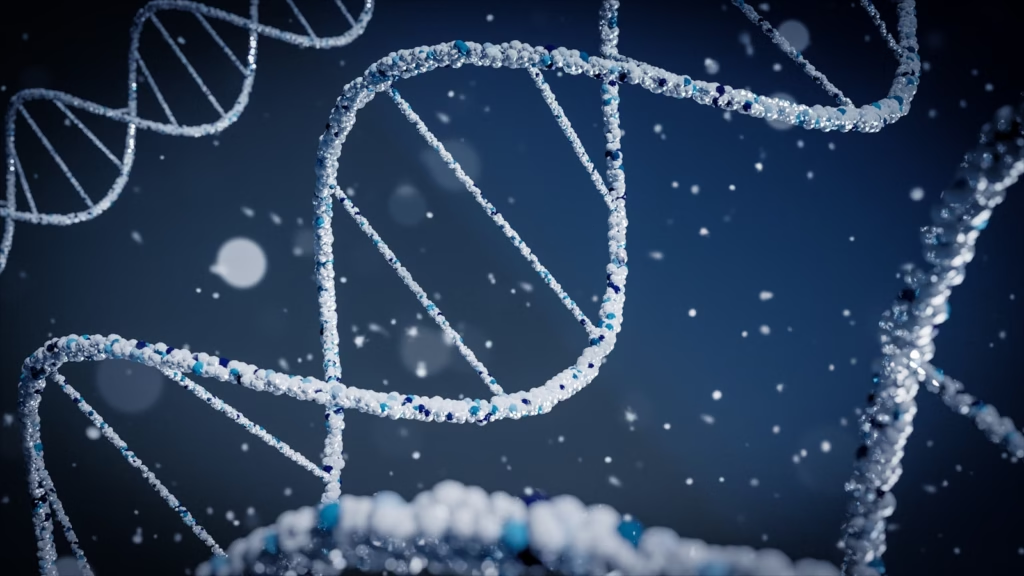
The International Society of Genetic Genealogy (ISOGG) advises adoptees, orphans, and those with unknown parents to take autosomal DNA tests. They should use multiple companies, such as AncestryDNA and MyHeritage. This increases the likelihood of finding DNA matches. Uploading test results to GEDmatch and FamilyTree DNA via autosomal transfer lets you access matches from various company databases for free. These third-party platforms accept raw DNA data from multiple providers.
How DNA Analysis Works in Adoption Cases
Professional genealogists working adoption cases use an organized methodology:
- Identifying closest matches: The researcher starts with the adoptee’s closest DNA matches. These matches are measured in centimorgans (cM), which show how much DNA two people share. Higher cM values indicate closer biological relationships.
- Clustering matches: DNA matches are organized into groups, called clusters, of individuals who also share DNA. Each cluster typically represents descent from a distinct ancestral couple. This technique, sometimes called the “Leeds Method” or “clustering methodology,” allows researchers to separate maternal and paternal sides even when both birth parents are unknown. https://lineages.com/genetic-genealogists-and-adoption-why-expertise-matters/
- Building collateral trees: Researchers build family trees for DNA matches using public records, obituaries, census data, and vital records. By identifying the common ancestors among multiple matches within a cluster, researchers can triangulate toward the biological family. https://lineages.com/genetic-genealogists-and-adoption-why-expertise-matters/
- DNA evidence alone is not enough for genealogical proof. This is in accordance with the Genealogical Proof Standard (GPS) set by the Board for Certification of Genealogists (BCG). DNA analysis relies on documents such as birth records, death certificates, and census entries for support. Only then can a biological relationship be considered proven.
Two Trees in One Research File
A key question for adopted individuals starting genealogical research is: Which tree should I look into? Based on best practices, you should research both and ensure each is properly labeled and documented.
FamilySearch’s Family Tree lets users define parent-child relationships. You can mark them as biological, adoptive, step, or foster. This is not a workaround. It’s intentional design. It shows that the genealogical community knows identity and lineage aren’t always the same.
Genealogical software and charting programs generally support documenting multiple family lines. What matters most is transparency in labeling.
In practice, this means:
- The adoptive tree is studied with common genealogical tools. These include:
- Vital records
- Census records
- Church registers
- Land records
- Military documents
- The biological tree is built by using pre-adoption records, legal IDs, and DNA tests.
- Both trees are in the same research file. Each relationship type is clearly marked and sourced.
The adopted person sits at the point where two family trees meet. It’s where two lineages combine into one life.
The Branch Keeps Its Origin in the Analogy for Adoption: Why Biological Heritage Matters
The scion does not forget its parent tree. Genetically, it cannot. Every cell it produces has the DNA of the original tree. This DNA provides evidence of the scion’s ancestral line, ethnic and geographic roots, and predisposition for certain diseases.
In genealogical practice, this biological inheritance carries specific, documented importance:
Medical History
Adopted individuals often research their biological family health history. This research is vital because heritable conditions, such as cardiovascular disease, some cancers, autoimmune disorders, and rare genetic mutations, are found within biological families. These conditions cannot be identified through an adoptive family’s history. Genealogists aren’t medical professionals and don’t give medical advice. Instead, they serve as researchers who help clients access biological lineage records. This can directly support a client’s health and well-being.
Ethnic and Geographic Origin
DNA ethnicity estimates from companies such as AncestryDNA and MyHeritage can provide an adopted individual with a broad geographic picture of their biological ancestry. These estimates are not precise; they are probabilistic. Always support them with documentary research. However, they can guide a researcher toward relevant record repositories, such as civil registry records, parish registers in Catholic dioceses, or immigration and naturalization records in U.S. federal archives.
Cultural Identity
For many adoptees, particularly those who were adopted transracially or internationally, biological heritage bears profound cultural meaning. In After Yang, Mika is a Chinese girl adopted by a non-Chinese family. Yang helps her explore her Chinese heritage, using grafting as an analogy for adoption. This is not simply cinematic sentiment. Genealogical research helps adopted individuals find their ancestral origins. This connection exists by birth, even if they didn’t grow up with it.
A Note on Sensitivity and Professional Ethics
Researching adoption cases calls for careful attention to the ethical aspects of the work. Organizations like the Association of Professional Genealogists (APG) and the Board for Certification of Genealogists (BCG) provide codes of ethics to guide professional practice. By stressing honesty, accuracy, and sensitivity, these standards protect individuals when research reveals emotionally significant or potentially hurtful information.
ISOGG advises that “adoptees, orphans, foundlings, and others with sensitive matters shouldn’t search on their own.” The organization notes that getting help from genetic genealogists and adoption search experts improves accuracy and emotional safety.
Key ethical issues in adoption research include:
- Respecting sealed records: When records are sealed by law, genealogists follow the rules. They get information through the right channels. These include adoption registries, court petitions, and DNA analysis. They don’t try to bypass legal protections.
- Privacy of living individuals: Information about living biological relatives must be handled with care. A professional genealogist won’t share personal details about living people. They need clear permission from those individuals first.
- Sensitivity in documentation: When recording an adoption in a family tree, especially a shared or published one, it’s important to consider all living parties. Many genealogists keep adoption research private. They wait until contact is made and everyone agrees to share documents.
The Tape That Holds the Branch
In the film “After Yang”, a ReadCopy reviewer notes a subtle point about grafting in his analogy for adoption. Yang never talks about “the unnatural tool that makes this process possible, the tape that holds the branch in place while the two grow together.” In actual gardening, the tape—whether grafting tape, wax, or binding—makes the union possible. It holds the cambium layers in contact while they fuse. It keeps moisture in and pathogens out. Without it, the graft fails.
In genealogy, research acts as the tape that binds the family together. This research uses documents and DNA tests to carefully build the biological and adoptive trees side by side. It retains both lineages within a combined narrative. This helps the adopted person see how they drew nourishment from each side.
The film suggests that many people and institutions help create connections.
These include:
- Adoption agencies that keep records
- DNA databases with family information
- Genealogists who know where to search
- Archives that protect documents
These resources can reveal the lives of ancestors who never expected to be found by future generations.
Practical First Steps for Adopted Individuals
If you’re adopted or a genealogist helping an adopted client, follow these steps to start your research. They are based on recognized best practices.
- Gather all available home sources: amended birth certificates, adoption decrees, any non-identifying information provided by the agency, photographs, and family oral history. https://www.gedmatch.com/blog/how-to-find-and-use-adoption-records-in-your-genealogy-research/
- Request your original birth certificate if your state permits adult adoptees to access it. Laws vary; the National Council For Adoption’s guide tracks current state statutes. https://adoptioncouncil.org/publications/accessing-birth-and-adoption-records-a-practical-guide-for-adoptees/
- Contact the adoption agency or court that oversaw the proceeding. Request all non-identifying information on file. Also, ask about the agency’s record retention policies. You can find more details here: https://www.familysearch.org/en/blog/searching-for-adoption-records.
- Take an autosomal DNA test at AncestryDNA or MyHeritage, ideally both. Upload your raw DNA data to GEDmatch and Family Tree DNA. This will help you find more matches. For more details, check out this link: https://isogg.org/wiki/Utilizing_DNA_testing_to_break_through_adoption_roadblocks.
- Collaborate with a genetic genealogist.
- A genetic genealogist will help you:
- Analyze your DNA matches.
- Create cluster trees.
- Find biological family candidates using the Genealogical Proof Standard.
- https://lineages.com/genetic-genealogists-and-adoption-why-expertise-matters/
- Research the adoptive family line using standard genealogical methods. This lineage is part of your history and deserves equal documentation and care.
- Document both trees clearly. Label all relationship types accurately in your chosen genealogical platform.
Both Trees Are Important in this Analogy for Adoption
Yang’s words to Mika about the analogy for adoption in that orchard were not sentimental comfort. They were genealogical fact.
The branch that has been grafted carries the genetic identity of the tree it came from. That identity does not disappear when the graft succeeds. It is expressed in every leaf, every fruit, every ring of growth the branch adds to the new tree. The rootstock also influences how the branch grows. It affects the conditions, nourishment, stability, and location in the world.
An adopted person’s genealogy is not incomplete. It is not broken. Like the grafted tree, in this analogy for adoption, it is a chimera in a strict botanical sense. It has two genotypes, two histories, and two stories of origin, all growing together in one person.
https://open.lib.umn.edu/horticulture/chapter/10-1-grafts-and-wounds
The goal is to document both accurately and carefully. This way, we can understand the person’s origins, the tree they came from, and the tree they grew in. We want to know, preserve, and share their full story.
In genealogy, as in horticulture, both trees are important.
This article was written by AncestryInvestigator.com. If you are an adopted person looking for genealogical research services, we can help. This includes DNA analysis, finding your biological family, or documenting your adoptive lineage. Contact us to discuss your research goals.Hire Ancestry Expert for Professional Genealogical ResearchHire Ancestry Expert for Professional Genealogical ResearchHire Ancestry Expert for Professional Genealogical Research